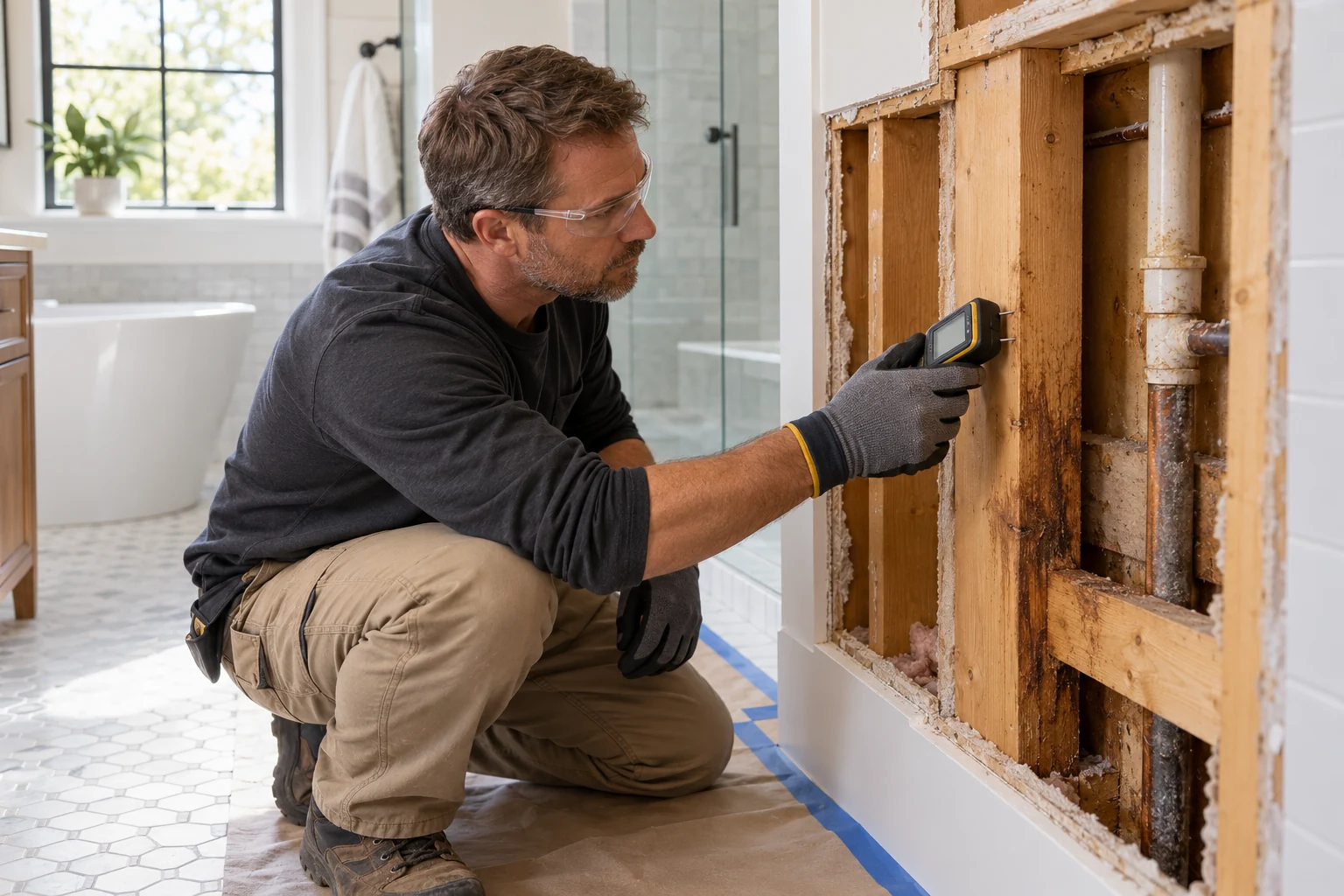
Property managers balance resident needs, owner expectations, maintenance priorities, and budgets. A contractor relationship becomes more useful when responsibilities are clear before the next repair request arrives. Whether you manage one building or several properties, a shared process for reporting issues, approving work, and documenting completion helps turn individual jobs into a more organized working relationship.
Prepare an emergency response plan before it is needed
An emergency plan starts with knowing whom to contact, who can authorize work, and how the contractor will gain appropriate access. Keep those details current and make them available to the people who need them. A contact list is only useful if it reflects the property's present arrangements.
Discuss the difference between an immediate response and the later repair scope. A contractor may need to assess conditions before providing a reconstruction proposal. Confirm actual availability, service boundaries, and escalation arrangements rather than assuming a vendor provides continuous coverage or guarantees a response time that has never been agreed.
Agree on the initial information needed for a service request: the property, exact location, observed condition, access contact, and any relevant photos. Describe what is known and what still needs assessment. During an urgent incident, that clarity helps the appropriate professionals understand the request and plan the next step.
Choose a vendor using more than the lowest price
Compare vendors against the work you actually need. Relevant experience, clearly described scope, appropriate credentials and insurance, and a usable communication process all deserve attention. Check requirements for your location and project, and ask for supporting documentation rather than relying only on a logo or an informal introduction.
A proposal should make inclusions, exclusions, assumptions, and approval requirements understandable. Two prices may cover different preparation, materials, protection, disposal, or finishing work. Request clarification where the scopes differ so the owner can make a decision based on a meaningful comparison rather than a misleading total.
Discuss reporting before the first job. Who receives photos? Who approves a variation? What completion information is needed for your records? An organized vendor can explain the process they propose, and a property manager can explain the reporting expectations they need the contractor to meet.
- Review relevant experience and applicable credential and insurance documentation.
- Compare written inclusions, exclusions, assumptions, and material specifications.
- Confirm access, communication, and change-approval responsibilities.
- Agree on completion records and follow-up arrangements.
Make turnovers and preventive maintenance more predictable
A unit turnover benefits from one organized condition record. Inspect the space, identify the required repairs, separate optional improvements, and establish the order of work before trades are booked. Where possible, resolve scope questions early so a late decision does not force completed work to be revisited.
Preventive maintenance is most useful when findings lead to assigned actions. Keep a log of recurring concerns, service history, and items that need assessment or monitoring. The purpose is to recognize patterns and plan work thoughtfully; a checklist alone does not establish that a building system is in good condition.
Three practical habits can improve the process: record concerns consistently, assign someone to follow up, and review repeated issues before the next turnover. These habits help managers decide what deserves attention and create a clearer basis for discussing recurring repairs with owners. They do not eliminate emergencies, but they make the maintenance record more useful.
Connect repair history to capital improvement decisions
Separate routine service requests from larger improvement proposals. A recurring repair may justify a broader assessment, but it does not automatically mean an entire system needs replacement. Use documented conditions and appropriate professional advice to define the problem before choosing the investment or requesting bids.
For a capital project, prepare a brief that includes the business objective, observed condition, proposed scope, access constraints, and important dates. Ask bidders to identify assumptions and dependencies. Owners can then compare options with a better understanding of how the project relates to property operations and planned expenditure.
At completion, retain the agreed records: scope changes, completion photos where appropriate, product information, and any relevant handover documentation. Organized records help the next manager understand what was done and provide a starting point for future maintenance. Bring your current vendor expectations and project priorities to a partnership conversation with PartnersProBuild.
Your starting point
A useful vendor partnership starts with shared expectations, clear approvals, and records that support the next decision. Property managers: what's your biggest maintenance challenge right now?