Construction advice often travels as a short, confident statement. A wall looks fine, so there cannot be damage. One bid is lower, so it must be the best value. The project is small, so permits cannot matter. Construction Myth Monday turns those assumptions into useful questions for homeowners and property managers. Each topic is a starting point for a project-specific discussion, rather than a substitute for assessment or local requirements.
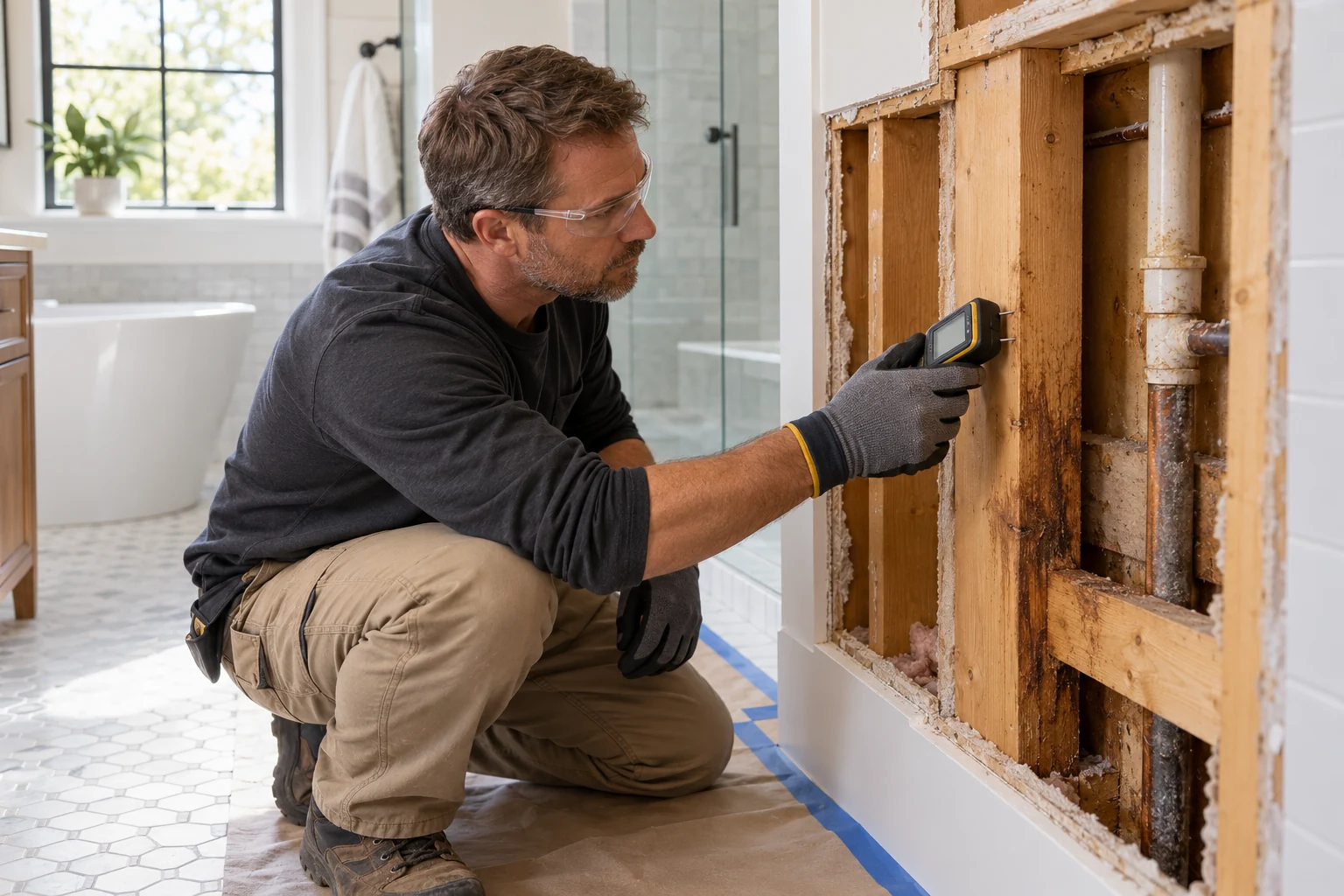
Myth: if a wall looks dry, there is no water damage
A finished surface shows only part of a wall assembly. Its appearance cannot establish the condition of everything behind it. If there is a known leak history, unexplained staining, or another concern, describe that context to an appropriate professional and ask what assessment would be useful before covering or replacing finishes.
The U.S. Environmental Protection Agency recognizes that moisture-related problems and mold can be concealed behind building materials. That does not mean every discolored wall has hidden mold. It means a visual assumption should not replace an informed assessment when the property's history or observed condition raises a concern.
A better question is: what evidence supports the proposed repair? Ask what is known, what remains uncertain, and whether the source of the problem has been addressed. Keep the answers with the project records so a cosmetic improvement does not obscure the reason the work was needed in the first place.
Myth: the lowest bid always saves money
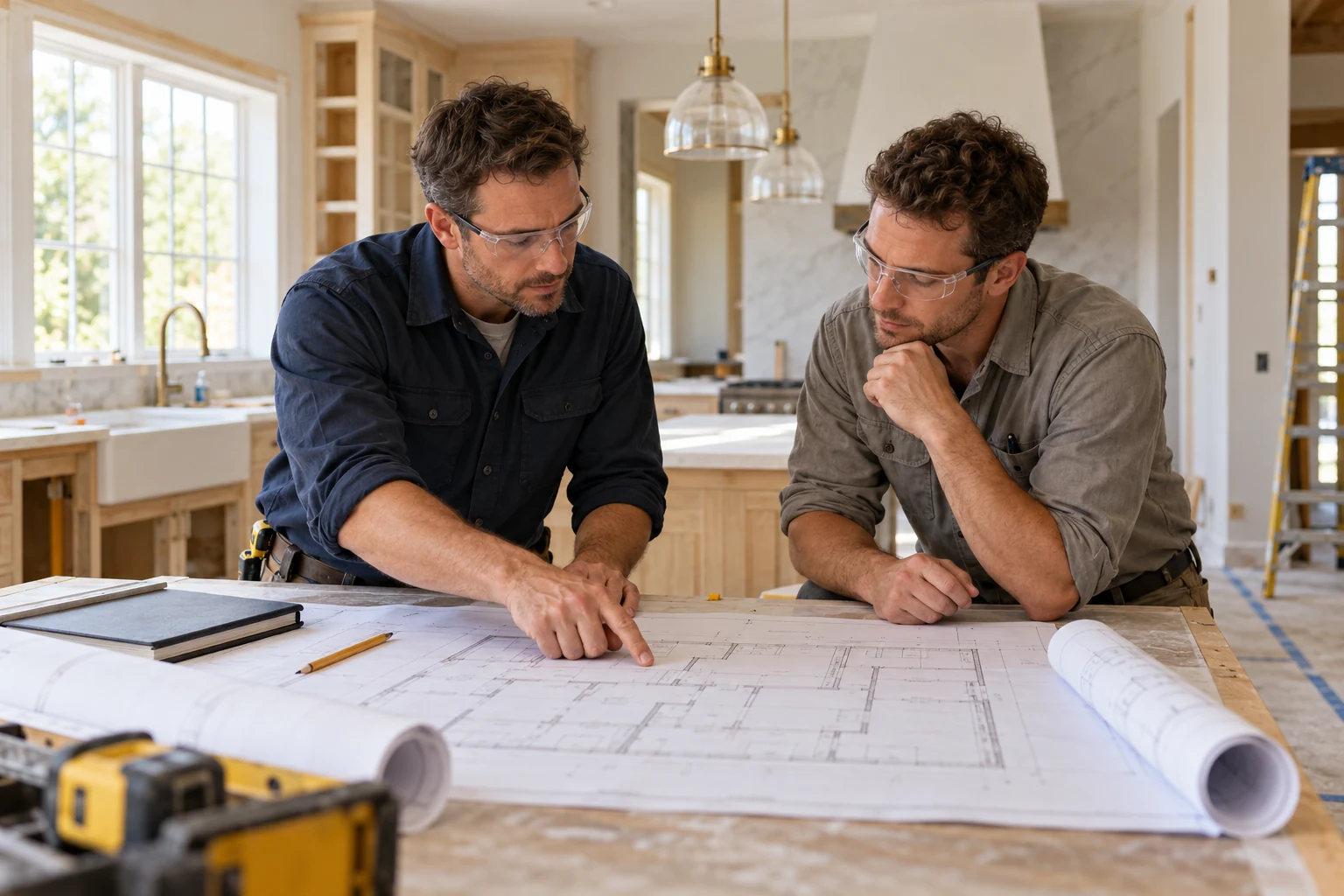
A lower total may represent an efficient proposal, but it may also cover a different scope. Before deciding, compare preparation, materials, protection of the property, disposal, finishing work, and any allowances. A useful comparison starts by checking whether the bidders have priced the same requested outcome.
Look for exclusions and unresolved decisions. If one proposal assumes an existing surface can stay while another includes replacing it, the price difference needs explanation. Ask each contractor to clarify the assumption and what would happen if the site assessment shows that a different approach is required.
Value also depends on whether the proposal provides a workable process for communication, changes, and completion. Those details should be specific enough to discuss, rather than expressed only as broad promises. Price matters, and a clear scope helps you understand what that price buys and where additional decisions could arise.
- Compare the same work, material specifications, and preparation requirements.
- Check allowances, exclusions, and assumptions that could change the total.
- Ask how additional work is priced and authorized.
- Review communication, completion, and follow-up arrangements alongside cost.
Myth: permits are not necessary for small projects
A project's size alone does not answer the permit question. Requirements depend on the location and the work proposed. A small room can still involve changes that need review. Describe the actual scope to the appropriate local authority or qualified project professional before assuming an exemption applies.
Ask who is responsible for confirming requirements, making any necessary applications, arranging inspections, and retaining the resulting records. Include those responsibilities in the project agreement. If an approval affects the sequence, account for that dependency when discussing the start date and later milestones.
Avoid using a general article, social post, or another property's experience as the final answer for your address. Two jobs that look similar in photographs can have different scopes and local requirements. The useful habit is to verify the requirement for the actual work before it begins.
Turn each myth into a better project conversation
The weekly format works best when each post addresses one assumption, explains the missing context, and offers one practical next question. An owner should leave with a clearer way to discuss the project, rather than a sweeping rule that seems to fit every building or circumstance.
For homeowners, keep a short list of questions about existing conditions, scope, approvals, and timing. For property managers, add the questions that affect access, authorization, and documentation. Bringing that list to the first conversation helps a contractor understand both the physical work and the decisions surrounding it.
If you have heard a construction claim that sounds too simple, share the wording and the situation it relates to. PartnersProBuild can use those questions to shape future educational topics. A useful answer will explain what can be said generally and what needs to be checked for the particular project.
Your starting point
Replace assumptions with specific questions: what has been assessed, what is included, and what must be confirmed locally? Which construction myth would you like us to explore next Monday?